



Steel
Steel is a popular choice for modular construction due to its strength, durability, and flexibility. It provides structural stability and can be used for framing, walls, and roofs. Steel modular buildings are known for their ability to withstand harsh weather conditions and provide long-lasting structures.

Concrete
Concrete panels or blocks can be used in modular construction to create sturdy walls and foundations. Precast concrete components can be manufactured off-site and then transported to the construction site for assembly.

Wood
Wood can be used for modular construction, particularly in applications where a more natural aesthetic is desired. Engineered wood products like cross-laminated timber (CLT) or glue-laminated timber (glulam) can provide strength and stability while maintaining a wood-centric design.

Aluminium
Aluminium is lightweight and corrosion-resistant, making it a suitable choice for modular building components such as doors, windows, and curtain walls. It's often used in conjunction with other materials for exterior finishes.

Glass
Glass is a key component in creating a modern and visually appealing modular building. Glass panels can be incorporated into the design for windows, doors, and even entire glass walls to enhance natural light and aesthetics.

Insulation
Exterior cladding materials not only protect the building from the elements but also contribute to its appearance. Common cladding options include metal panels, composite materials, brick, stone, and various types of siding.

Cladding
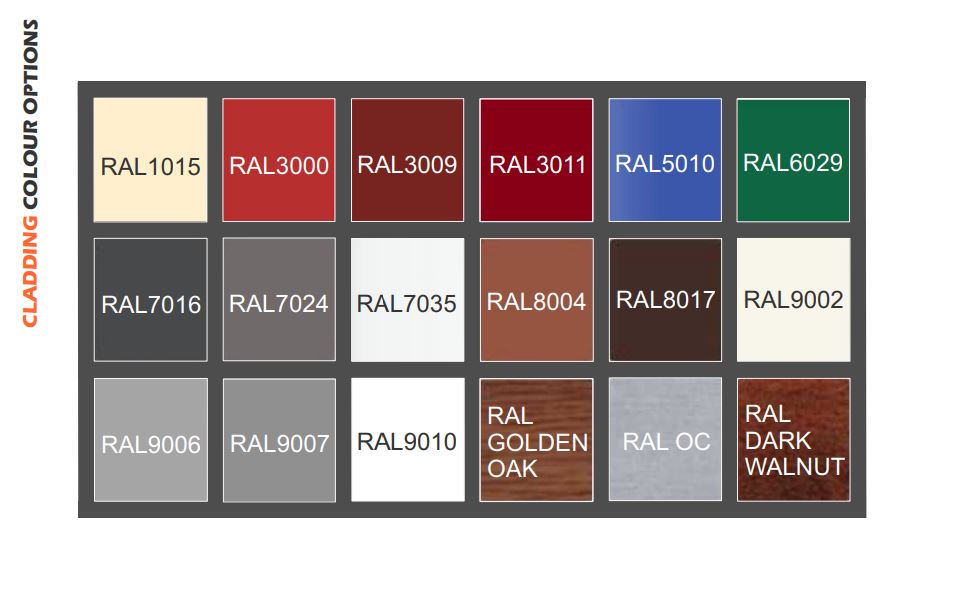
Exterior cladding materials not only protect the building from the elements but also contribute to its appearance. Common cladding options include metal panels, composite materials, brick, stone, and various types of siding.

Roofing Materials
Aluminium is lightweight and corrosion-resistant, making it a suitable choice for modular building components such as doors, windows, and curtain walls. It's often used in conjunction with other materials for exterior finishes.

Interior Finishes
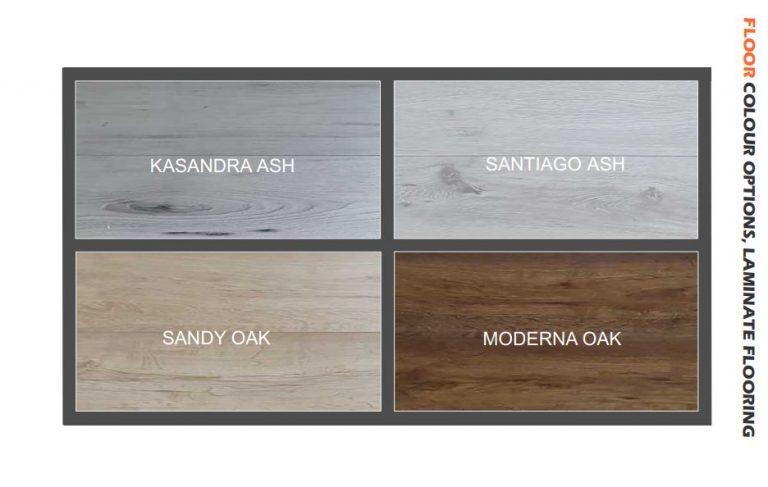
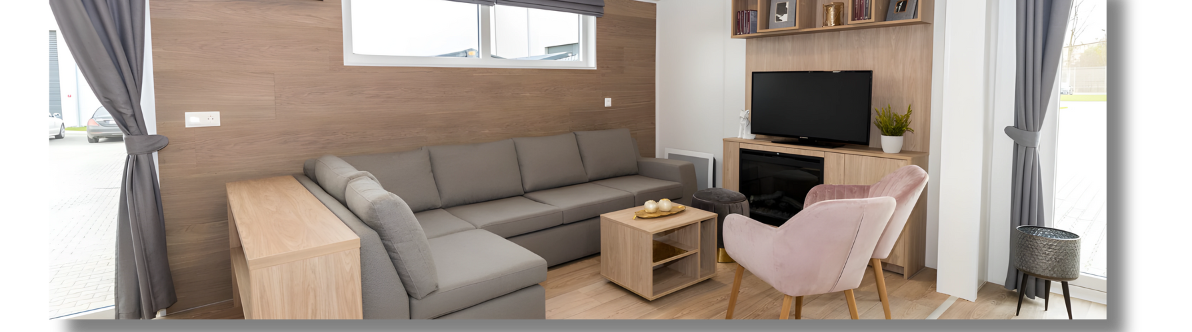
Interior materials can vary widely based on the function of the commercial space. Examples include drywall, acoustic panels, flooring materials (carpet, vinyl, hardwood, etc.), ceiling tiles, and paint.

Sustainable Materials
In recent years, there's been a growing emphasis on using sustainable and environmentally friendly materials in construction. This might include recycled materials, low-VOC paints, energy-efficient windows, and other eco-friendly options.

Modular-Specific Materials
Some materials are specifically designed for modular construction, such as interlocking wall and floor panels, connectors, and fastening systems that facilitate quick assembly and disassembly.

Remember...
When selecting materials for a modular commercial building, it's important to consider factors such as the intended use of the space, local building codes, maintenance requirements, energy efficiency goals, and the overall design aesthetic. It's a good idea to work closely with architects, engineers, and modular construction experts to choose the most suitable materials for your specific project.