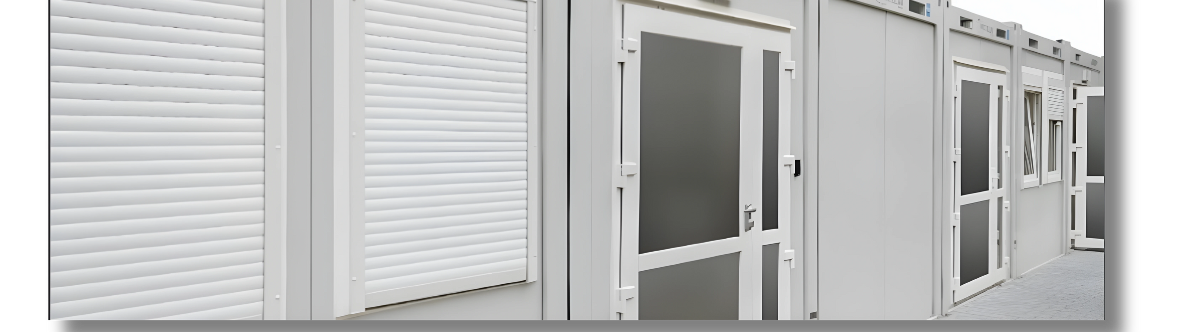


Modular buildings for the Education Sector
Modular Build understands the pressure the government is under of meeting the increased demand for classroom places whilst facing significant time, space, and budget limitations. It has an in-depth knowledge of the UK school’s industry, and its specialised systems will add value to your project from day one.
Modular Buildings for Education Purposes
Modular buildings for educational purposes have gained significant popularity in the United Kingdom in recent years. These innovative structures offer a flexible and cost-effective solution to the growing demand for classroom space and facilities. Modular educational buildings are designed to be quickly assembled and are available in a range of sizes and configurations to accommodate various educational needs, from primary schools to universities.
They are not only environmentally sustainable but also offer the advantage of shorter construction times, minimising disruption to the learning environment. With modern designs, high-quality materials, and advanced amenities, these structures provide comfortable and functional spaces for students and teachers alike, contributing to the enhancement of the educational experience in the UK.
Moreover, as a society we are more conscious of using space more efficiently and being more sympathetic to the surrounding environment.
Modular Build’s years of prefabrication experience has created some of the best examples in modular design, longevity and production efficiency, combined with assembly speed, all of which are at the heart of our architectural and creative designs.
Why use Modular Buildings for the Education Sector?
The education sector in the UK can greatly benefit from the utilisation of modular buildings for their infrastructure needs. Modular construction offers numerous advantages, including cost-efficiency, rapid construction timelines, and environmental sustainability. In a time when educational institutions are under pressure to deliver high-quality education while managing tight budgets, modular buildings provide a cost-effective solution. They allow for reduced construction and labour costs, making it possible to allocate more resources to academic programs and student support.
Moreover, the speed of modular construction means that schools can be built or expanded quickly, addressing the growing demand for educational facilities and alleviating issues related to overcrowding. In addition, modular buildings are often built with sustainable materials and practices, aligning with the increasing emphasis on environmental responsibility in the UK.
Compliance & Regulations for Education Modular Buildings
Modular building projects for the education sector in the UK are subject to a comprehensive framework of compliance and regulations to ensure the safety, quality, and sustainability of these structures. These regulations encompass various aspects, including building codes, planning permissions, and environmental standards. In the UK, modular buildings must adhere to the Building Regulations, which cover fire safety, structural integrity, accessibility, and energy efficiency. Additionally, compliance with the Education and Skills Funding Agency (ESFA) guidelines is crucial to meet the specific requirements of educational institutions.
Sustainable construction practices are also encouraged, with a focus on reducing the carbon footprint through compliance with environmental standards such as BREEAM (Building Research Establishment Environmental Assessment Method). Furthermore, the planning and zoning regulations of local authorities play a significant role in ensuring that modular buildings integrate seamlessly into their surroundings.
Your Design
The design process for modular buildings in the education sector, tailored to the specific needs of schools, universities, and colleges in the UK, is a highly collaborative and meticulous endeavour. It begins with a comprehensive needs assessment, where architects and educational stakeholders work closely to identify the precise requirements of the institution. This involves understanding the number of classrooms, laboratories, offices, and communal spaces needed, as well as considering the unique challenges and opportunities presented by the site.
Sustainable design and energy efficiency are crucial considerations, aligning with the UK's environmental goals and ensuring long-term cost savings. Additionally, the modular approach, characterised by the construction of building components off-site, requires careful planning to ensure seamless assembly, as well as compliance with local building regulations and safety standards. The design process prioritises flexibility, enabling educational institutions to adapt to evolving pedagogical methods and student needs, fostering an innovative and adaptable learning environment.
The Key Benefits of Using Modular Buildings in Education
Using modular buildings in the education sector in the UK offers several benefits over traditional construction methods. These benefits make modular buildings an attractive option for educational institutions in the UK looking for efficient, cost-effective, and sustainable solutions to address their infrastructure needs.
Cost Effectiveness:
Modular buildings are often more cost-effective, as they require less time and labour compared to traditional construction.

Speed of Construction:
Modular buildings can be constructed much faster, which is crucial for meeting the rapidly changing demands of the education sector.

Flexibility:
Modular structures are easily customisable and can be adapted to various educational needs, from classrooms to administrative offices.

Sustainability:
Many modular buildings are designed with eco-friendly materials and energy-efficient features, contributing to a more sustainable and environmentally friendly educational environment.

Reduced Disruption:
Since much of the construction work is done off-site, there is minimal disruption to the school or campus during the building process.

Quality Control:
Modular buildings are typically manufactured in controlled factory settings, ensuring consistent quality and safety standards.

Mobility:
Some modular buildings can be easily relocated, allowing educational institutions to adapt to changing student populations or educational trends.

Lower Maintenance Costs:
Modular structures often require less maintenance than traditional buildings, resulting in long-term cost savings.

Energy Efficiency:
Modern modular buildings can incorporate advanced insulation and energy-efficient systems, reducing operational costs for heating and cooling.

Adherance to Regulations:
Modular buildings can be designed to meet or exceed all relevant building codes and regulations, ensuring student safety.

Expansion Capabilities:
Educational institutions can easily expand their facilities by adding more modular units as the need arises.

Temporary Solutions:
Modular buildings can be used as temporary solutions during renovation or construction projects, ensuring that educational activities can continue uninterrupted.
Choose Modular Build for Education Buildings
Modular construction holds significant advantages when applied to educational buildings, offering a range of benefits that align with the unique requirements of educational infrastructure. One key advantage is the rapid construction timeline associated with modular building techniques. Educational institutions often face tight schedules, especially when aiming to accommodate increasing student populations or responding to urgent facility needs. Modular construction enables the quick assembly of classrooms, laboratories, or other educational spaces, allowing schools and universities to address their capacity challenges in a timely manner.
Cost efficiency is a crucial consideration in educational projects, and modular construction proves advantageous in this regard as well. The controlled manufacturing environment ensures efficient use of materials, reduces waste, and optimises labour costs. For educational institutions with budget constraints, modular construction can be a cost-effective solution, enabling them to maximise their resources while delivering high-quality learning spaces.
Quality control is paramount in educational buildings, where safety and durability are critical. Modular construction’s factory-controlled processes contribute to consistently high-quality components. Rigorous inspections and testing during fabrication help ensure that educational buildings are constructed to meet stringent standards, providing a safe and reliable environment for students, teachers, and staff.
Environmental sustainability is increasingly becoming a focus in education, and modular construction aligns with sustainable building practices. The efficient use of materials and reduced waste contribute to a smaller environmental footprint. Educational institutions can showcase their commitment to sustainability by choosing modular construction methods, which can also serve as a valuable educational tool for students, promoting awareness and responsibility toward environmental conservation.
Flexibility is another noteworthy benefit of modular construction for educational buildings. Schools and universities often face changing enrollment numbers and evolving educational methodologies. Modular components offer the adaptability needed to reconfigure or expand facilities to accommodate shifts in educational programming or pedagogical approaches. This flexibility ensures that educational spaces can be tailored to meet the specific needs of students and educators.
In summary, modular construction provides a range of advantages for educational buildings, including rapid construction timelines, cost efficiency, enhanced quality control, environmental sustainability, and flexibility. By embracing modular construction methods, educational institutions can efficiently address their infrastructure needs while creating safe, high-quality learning environments for the benefit of students and the broader educational community.


