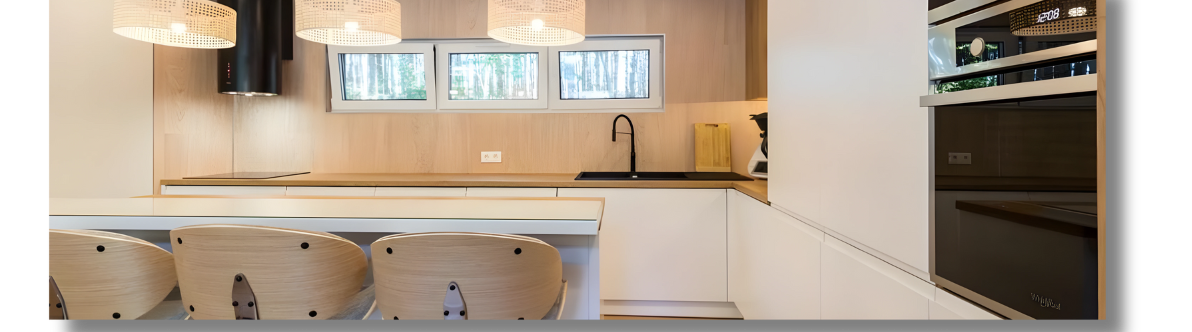


Modular Buildings for Residential Buildings
Modular Build’s residential modular construction systems include portable buildings, cabins, and units. You will find modern designs with meticulous attention to architectural detail. The modular buildings are energy efficient and built with quality materials.
Modular Buildings for Residential Areas
Modular buildings have gained popularity in the UK's residential construction industry in recent years due to their cost-effectiveness, sustainability, and speed of construction. These innovative structures are constructed off-site in factory-controlled environments, allowing for precise and efficient assembly. The modular approach offers numerous advantages, such as reduced construction time, minimal on-site disruption, and the potential for customisation to meet individual design preferences and space requirements.
As the UK faces a growing demand for affordable housing and sustainable construction methods, modular buildings have emerged as a promising solution, contributing to more efficient and environmentally friendly residential development across the country. Their adaptability and quick turnaround times make them a noteworthy choice for addressing the housing challenges in the UK.
Why use Modular Buildings for Residential Builds?
Companies and councils in the UK should consider using modular buildings for their residential construction projects for several compelling reasons. Firstly, modular construction offers a more efficient and cost-effective approach to housing development. The controlled factory environment allows for precise manufacturing, reducing material waste and construction time, which is particularly important in a country facing a housing shortage. Moreover, modular construction is highly sustainable, as it often incorporates eco-friendly materials and energy-efficient designs, aligning with the UK's environmental goals.
Additionally, the flexibility of modular buildings allows for customisation to meet various housing needs, from affordable housing to larger family units. Lastly, given the rapid population growth and urbanisation, modular construction can help address the housing demand more swiftly, making it an attractive choice for councils and companies seeking to provide quality, affordable housing solutions for their communities.
Compliance and Regulations for Residential Modular Buildings
Modular construction in the UK for residential buildings is subject to a comprehensive set of compliance and regulations to ensure the safety, quality, and sustainability of such structures. These regulations include adherence to the Building Regulations, which specify standards for structural integrity, fire safety, energy efficiency, and accessibility. In addition, compliance with the Construction (Design and Management) Regulations (CDM) is essential, ensuring that health and safety measures are properly planned and implemented throughout the construction process.
Modular buildings also need to meet British Standards for construction materials and methods, as well as specific regulations related to fire safety in residential buildings. Compliance with environmental standards, such as BREEAM (Building Research Establishment Environmental Assessment Method), is increasingly important to address sustainability and reduce the carbon footprint of modular constructions. Local planning and zoning regulations play a significant role in determining the suitability and location of modular residential developments, and compliance with these regulations is critical for successful projects in the UK.
Your Design
The design process for residential modular buildings in the UK follows a well-structured and efficient approach that combines innovation, sustainability, and flexibility. It begins with a thorough site assessment, where designers consider location-specific factors, such as topography, local regulations, and environmental conditions. Next, architects and engineers collaborate to create a modular design that optimizes space and functionality while adhering to the UK's building codes and sustainability standards. This phase often involves the use of cutting-edge design software to create 3D models and plans that can be easily adapted to various modular configurations.
Once the design is finalised, it moves to the manufacturing stage. Modular construction allows for the efficient assembly of building components in a controlled factory environment, which significantly reduces construction time and waste. During this stage, materials are selected for durability and energy efficiency, in line with the UK's commitment to sustainable building practices. Additionally, the flexibility of modular construction enables customisation to meet the unique needs and preferences of homeowners. After the modules are constructed, they are transported to the site and assembled, minimising disruptions to local communities and accelerating the completion of residential buildings.
Benefits of Using Modular Buildings for Residential Areas
Modular buildings, also known as prefab or off-site construction, offer several benefits for residential areas in the UK. These benefits make modular construction an attractive option for addressing housing needs and creating better communities.
Speed of Construction:
Modular buildings can be constructed significantly faster than traditional buildings. This is especially important in the UK, where there is a pressing need for more housing. Quick construction helps meet this demand more efficiently.

Cost-Efficiency:
Modular construction can be more cost-effective due to reduced construction time and lower labour costs. Material waste is also minimised in a controlled factory environment.

Sustainability:
Many modular buildings are designed with eco-friendly features, such as energy-efficient insulation and renewable energy systems. These sustainable options align with the UK's commitment to reducing carbon emissions.

Quality Control:
Modules are manufactured in a controlled factory environment, which allows for better quality control and fewer construction defects. This leads to higher-quality residential units.

Reduced Disruption:
Traditional construction often disrupts the surrounding area with noise, dust, and traffic. Modular construction minimises this disruption, making it a more neighbour-friendly option.

Design Flexibility:
Modular construction offers design flexibility, allowing for customisation to meet various architectural and aesthetic requirements. This helps create diverse and attractive residential areas.

Shorter Approval Times:
Modular buildings typically have shorter approval timelines because most of the construction work is completed in the factory. This can help streamline the development process.

Energy-Efficiency:
Many modular units are designed to be energy-efficient, meeting or exceeding UK building standards. This can result in lower utility bills for residents.

Reduced Construction Risk:
With modular construction, there's less risk associated with weather delays and on-site accidents, making it a safer option for both workers and residents.

Scalability:
Modular construction allows for easy expansion or reduction of residential areas to accommodate changing needs. This adaptability is essential in growing or evolving communities.

Higher Resale Value:
Well-constructed modular homes can have a higher resale value compared to traditionally built homes, as they often retain their quality over time.

Affordability:
Modular construction can provide more affordable housing options, addressing the affordable housing crisis in the UK. It allows for cost-effective production of homes, helping to make housing more accessible to a wider range of people.
Choose Modular Build for Residential Buildings
Modular construction offers numerous advantages when applied to residential projects, catering to the specific needs and preferences of homeowners. One of the primary benefits is the ability to significantly reduce construction timelines. Home construction often involves tight schedules, and modular methods allow for the rapid assembly of residential structures, such as single-family homes or multi-unit dwellings. This quick turnaround benefits homeowners by reducing the time spent waiting for their new homes and, in turn, streamlining the overall construction process.
Cost efficiency is a critical consideration in residential construction, and modular construction provides an economical solution. The controlled manufacturing environment ensures efficient material usage, minimises waste, and optimizes labour costs. This cost-effectiveness is particularly appealing to homeowners seeking affordable housing options without compromising on quality or design.
Quality control is of utmost importance in residential construction, where homes serve as long-term investments for homeowners. The factory-controlled processes inherent in modular construction contribute to consistently high-quality components. Rigorous inspections and testing during fabrication ensure that residential structures meet stringent standards, providing homeowners with durable and well-built homes.
Environmental sustainability is an increasingly important consideration in residential construction, and modular construction aligns with green building practices. The efficient use of materials and reduced waste contribute to a smaller environmental footprint. Homeowners can make environmentally conscious choices by opting for modular construction methods, contributing to sustainability efforts and reducing the impact of residential development on the environment.
Flexibility is another notable advantage of modular construction for residential projects. The adaptability of modular components allows for customisable home designs and easy expansion or modification of living spaces. Homeowners can personalise their residences to suit their preferences and lifestyle, creating a more tailored and functional living environment.
In summary, modular construction provides a range of benefits for residential projects, including accelerated construction timelines, cost efficiency, enhanced quality control, environmental sustainability, and flexibility. By embracing modular construction methods, homeowners can enjoy the advantages of quicker construction, cost-effective solutions, and well-crafted homes that align with both their lifestyle preferences and environmental consciousness.


