

Modular Buildings for the Military

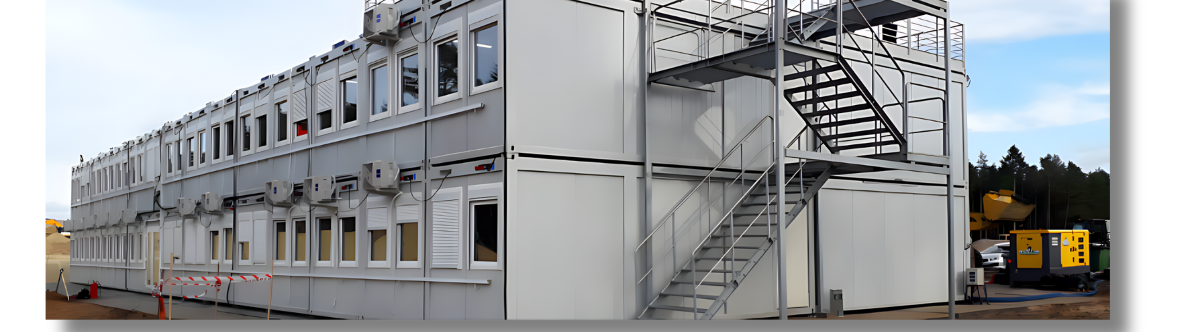
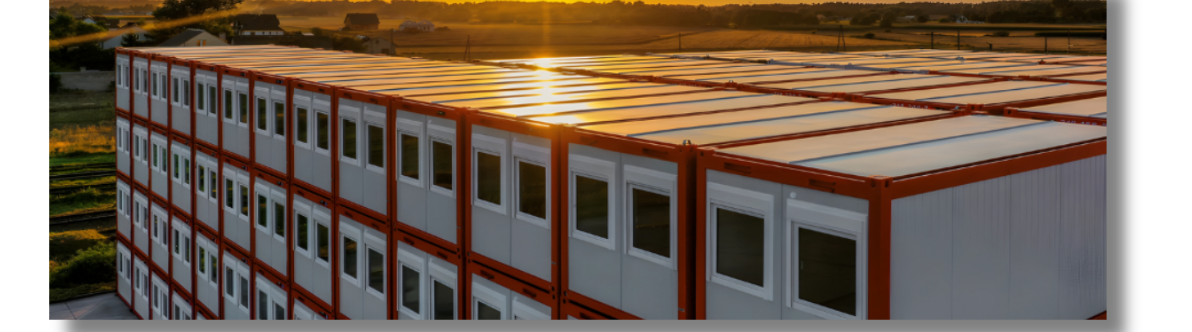
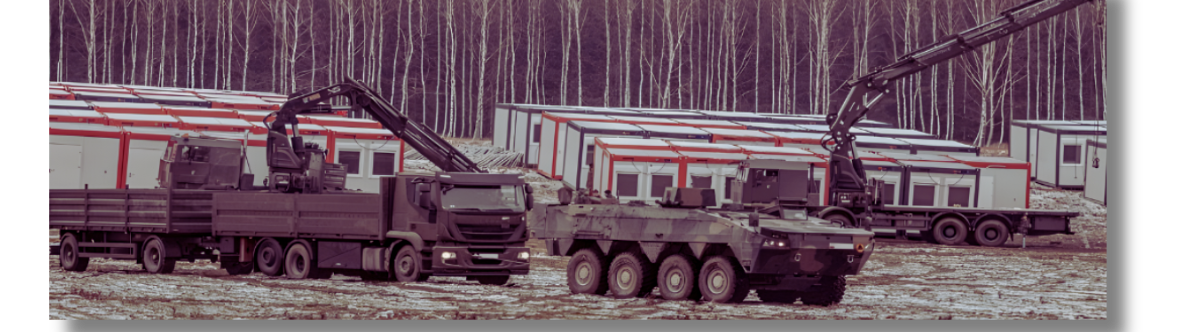
Modular Build designs and installs purpose built Military structures. This can be in the form of offices, staff accommodation, washroom facilities, mess halls, medical blocks, canteens and special purpose buildings such as weapon vaults and server rooms.

MOD Modular Build

Modular Buildings for the MOD

Modular buildings for military use have become an integral part of modern military infrastructure. These innovative structures offer the armed forces a versatile and efficient solution for rapidly deploying facilities in a variety of operational environments. Designed to be easily transportable, modular military buildings can be swiftly assembled and disassembled, making them ideal for temporary bases, disaster relief efforts, or forward operating locations. They can house troops, equipment, command centres, medical facilities, and more, providing the military with the flexibility to adapt to changing mission requirements.

Additionally, these structures are often equipped with the latest technological advancements in energy efficiency, security, and comfort, ensuring that military personnel have access to the essential amenities required for extended deployments. Their adaptability and cost-effectiveness make modular buildings a valuable asset in enhancing the mobility and readiness of today's armed forces.

MOD Modular Build

Why use Modular Buildings for the MOD?

The military should consider using modular buildings due to a range of compelling advantages. Firstly, modularity offers rapid deployment and construction, significantly reducing the time and manpower required to establish or expand barracks, which is crucial for responding to evolving mission needs or emergencies. Additionally, modular construction allows for cost-efficiency through standardised components and materials, ensuring that resources are utilized judiciously.

The versatility of modular barracks enables customisation to suit specific requirements, whether it's for different unit sizes, climatic conditions, or specific security needs. These structures are also easily relocatable, offering flexibility as military operations shift. Furthermore, modular buildings often incorporate sustainable construction practices, reducing the environmental footprint of the military while promoting energy efficiency. All in all, the adoption of modular barracks can enhance operational readiness, cost-effectiveness, adaptability, and sustainability within the military infrastructure.

MOD Modular Build

Compliance and Regulations for Military Modular Buildings

Modular builds for military applications in the UK are subject to a rigorous set of compliance and regulations that prioritise safety, quality, and performance. These regulations are predominantly governed by the Ministry of Defence (MoD) and British Standards Institution (BSI) standards, ensuring that modular buildings meet the specific requirements of the UK military. Compliance encompasses structural integrity, energy efficiency, fire safety, and sustainability, with an emphasis on withstanding the unique demands of military operations.

In addition to MoD and BSI standards, adherence to national and local building codes, as well as environmental and quality control regulations, is imperative to ensure that modular structures not only meet stringent safety and quality benchmarks but also cater to the precise needs of the UK military, providing secure, adaptable, and reliable facilities.

MOD Modular Build

Your Design

The design process for MOD (Ministry of Defence) Modular Buildings in the UK military is a meticulously structured and collaborative endeavor that combines functionality, durability, and adaptability. It typically begins with a thorough assessment of the specific operational requirements and spatial needs of the military unit or facility. Architects and engineers work closely with military officials to ensure that the modular building design aligns with strategic goals and adheres to safety and security standards. Modular construction techniques are often favored for their speed and cost-effectiveness, allowing for rapid deployment in response to changing military demands.

Furthermore, sustainability and energy efficiency considerations are integral to the design process, reflecting a commitment to reducing the environmental footprint. The result is a flexible and resilient infrastructure that caters to the unique needs of the UK military, offering a blend of modularity and permanence in support of national defense.

The Benefits of Modular Buildings for the MOD

The UK Ministry of Defence (MOD) can benefit from using modular buildings in various ways. Modular construction offers several advantages in terms of flexibility, cost-effectiveness, and efficiency. 

hexagon
hexagon
hexagon
number 1

Rapid Deployment:

Modular structures can be easily expanded or reduced as needed, making it easier to adapt to evolving mission requirements.

number 2

Cost Savings:

Modular construction is often more cost-effective than traditional construction methods, helping the MOD to allocate resources efficiently.

number 3

Customisation:

Modular buildings can be customised to meet specific requirements, whether for housing, offices, medical facilities, or storage.

number 4

Scalability:

Modules are manufactured in a controlled factory environment, which allows for better quality control and fewer construction defects. This leads to higher-quality residential units.

number 5

Relocatability:

Modular buildings can be disassembled and relocated, offering the flexibility to move facilities to different locations as operational needs change.


number 6

Sustainability:

Many modular construction methods use eco-friendly materials and practices, aligning with the MOD's sustainability goals.

number 7

Quality Control:

Modular buildings are often built in controlled factory settings, which can lead to higher construction quality and consistency.

number 8

Reduced Disruption:

Construction at military bases can disrupt operations. Modular buildings minimise disruption because much of the construction occurs off-site.

number 9

Energy-Efficiency:

Modular buildings can incorporate energy-efficient features, reducing long-term operating costs and environmental impact.

number 10

Adaptability:

Modular buildings can be easily modified and retrofitted to accommodate new technologies or changing operational requirements.

number 11

Safety:

Modular construction can reduce on-site construction risks, as much of the work is completed in a controlled factory environment.

number 12

Disaster Relief:

Modular buildings are ideal for providing temporary shelter and facilities during disaster relief operations, aiding in humanitarian efforts.

Choose Modular Build for MOD Buildings

Modular construction offers several advantages when applied to military infrastructure, meeting the unique requirements of defence projects. A primary benefit is the ability to significantly reduce construction timelines. Military facilities often need to be deployed swiftly, responding to strategic needs or operational requirements. Modular construction allows for the rapid assembly of barracks, training facilities, or other defense structures, ensuring that military operations can be efficiently supported with timely infrastructure.

Cost efficiency is a crucial consideration in defense projects, and modular construction provides an economically efficient solution. The controlled manufacturing environment ensures precise material utilisation, minimises waste, and optimises labour costs. This cost-effectiveness is particularly beneficial for defence budgets, allowing military entities to allocate resources strategically while delivering well-constructed and purpose-built facilities to support their personnel and operations.

Quality control is paramount in military construction, where safety, durability, and functionality are critical. The factory-controlled processes inherent in modular construction contribute to consistently high-quality components. Rigorous inspections and testing during fabrication ensure that military structures adhere to stringent standards, providing secure and reliable spaces for training, operations, and support functions.

Environmental sustainability is an increasingly important consideration in military construction, and modular methods align with green building practices. The efficient use of materials and reduced waste contribute to a smaller environmental footprint. Military entities can demonstrate their commitment to sustainability by choosing modular construction methods, aligning with broader efforts to reduce the environmental impact of defence infrastructure.

Flexibility is a notable advantage of modular construction for military projects. The adaptability of modular components allows for customisable designs and quick deployment, accommodating changing operational needs. Whether for training facilities, temporary structures, or operational bases, modular construction provides the flexibility required to meet the dynamic demands of military operations.

In summary, modular construction offers a range of benefits for military projects, including accelerated construction timelines, cost efficiency, enhanced quality control, environmental sustainability, and flexibility. By embracing modular construction methods, defence entities can efficiently address their infrastructure needs, ensuring the provision of high-quality facilities to support military personnel and operations.